Ever wonder what condo life in Rittenhouse Square really feels like once the excitement of move-in day wears off? If you are thinking about buying here, you probably want more than a list of restaurants and building names. You want to know how the neighborhood works on an ordinary Tuesday, a slow Sunday morning, and a busy week when convenience matters most. This guide walks you through the day-to-day rhythm, what is within easy reach, and how building differences can shape your experience. Let’s dive in.
What daily life feels like
Rittenhouse Square condo living tends to revolve around a rare mix of calm and activity. At the center is Rittenhouse Square itself, one of William Penn’s original five squares, now maintained by Friends of Rittenhouse Square in partnership with Philadelphia Parks & Recreation. The park includes more than 200 trees, diagonal walkways, a central oval, a reflecting pool, sculptures, and benches that make it easy to slow down for a few minutes or a full afternoon.
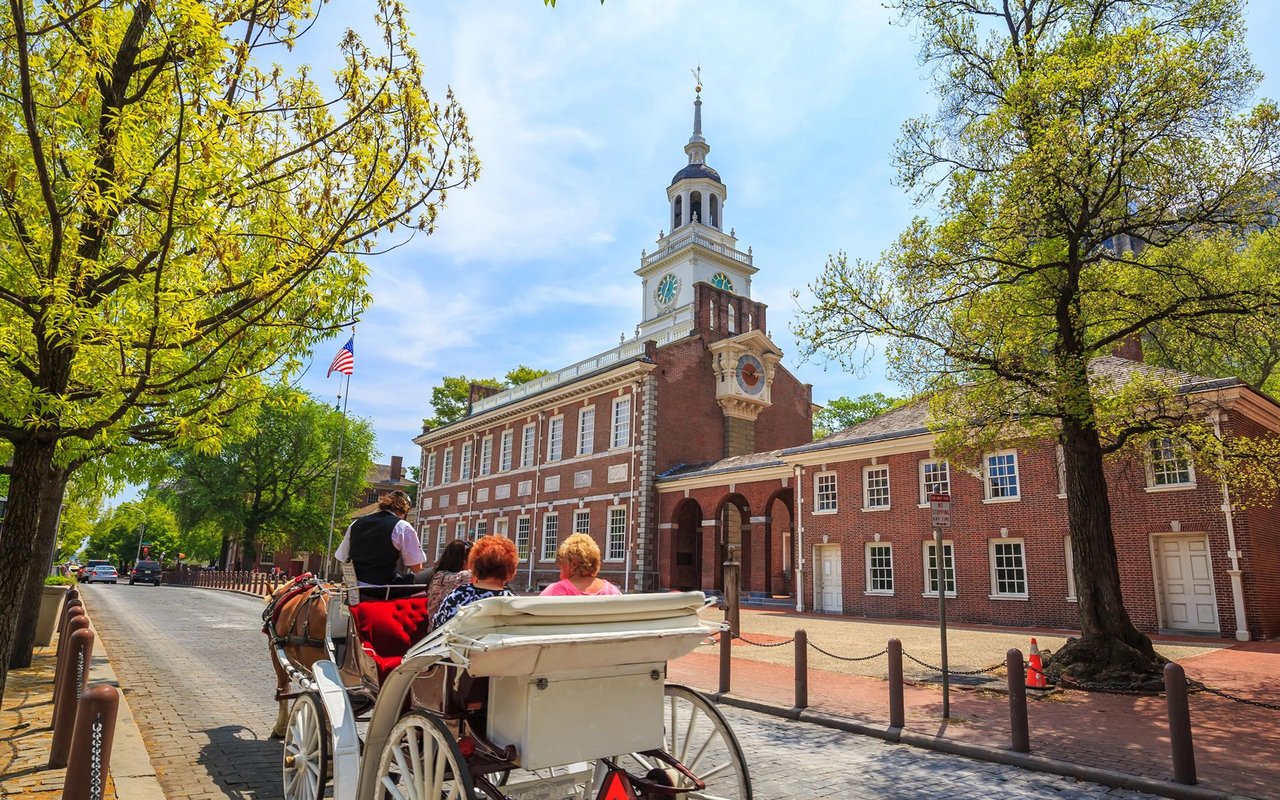
That park presence shapes the neighborhood’s daily rhythm. You can start the day with a walk, coffee, or a quiet bench before work, then return to a very different energy later when sidewalks and restaurants fill in. The area also hosts seasonal moments like a holiday tree lighting, which adds to the feeling that there is always something happening nearby.
One of the biggest lifestyle advantages is how compact the neighborhood feels. With Broad Street and the Avenue of the Arts to the east, the Schuylkill River to the west, Market Street and Logan Square to the north, and Lombard Street and Graduate Hospital to the south, much of what you need sits within a manageable footprint. That makes daily routines feel simpler and more efficient.
Walkability in Rittenhouse Square
If you are hoping for a less car-dependent routine, Rittenhouse Square is one of the strongest fits in Philadelphia. Visit Philadelphia notes that Suburban Station and 30th Street Station are a short walk or ride away, which supports a lifestyle built around walking, transit, and occasional rides. For many condo owners, that means a car may be less central to everyday life.
This kind of walkability changes how you plan your week. Instead of stacking errands into one long driving trip, you may find yourself picking up groceries on the way home, meeting a friend for dinner a few blocks away, or walking to a performance venue after work. It is a practical form of convenience that can make urban living feel easier.
Of course, walkability is not exactly the same as spaciousness. Condo living here often means trading some private square footage for location, access, and lower-maintenance living. For many buyers, that trade-off is exactly the point.
Dining, shopping, and errands nearby
One reason Rittenhouse Square feels so livable is the sheer number of everyday options around you. Rittenhouse Row is Center City’s premier retail district and includes more than 200 dining, retail, and cultural establishments. The mix includes national names, locally owned boutiques, cafés, bars, restaurants, and galleries.
That variety matters in daily life. You are not relying on one or two convenient places for everything. Instead, you have a neighborhood where quick coffee, sit-down brunch, takeout, shopping, and evening plans can all happen within a few blocks.
Visit Philadelphia points to places like a.kitchen, Vernick Food & Drink, Via Locusta, Gran Caffè L'Aquila, Bar Bombón, and Melograno as part of the local dining mix. That range helps explain why the neighborhood works for both regular routines and last-minute plans. You can keep things simple on a weekday and still have plenty of options when the weekend arrives.
For groceries and staples, convenience is strong for a dense urban area. Rittenhouse Market at 1733 Spruce Street says it is open daily from 6:30 a.m. to 10:00 p.m. and offers delivery. That gives condo owners a practical option for quick runs, pantry basics, and those nights when going farther feels unnecessary.
The neighborhood also has a farmers’ market rhythm built in. The Rittenhouse Saturday Farmers’ Market runs at 18th and Walnut Streets, with hours listed as 9 a.m. to 2 p.m. most of the year and 10 a.m. to 2 p.m. from December through March. Farm to City also notes a Tuesday market at the same location, which adds another layer of convenience during the week.
Arts and nightlife after work
Rittenhouse Square is not just convenient during business hours. The neighborhood also offers a strong arts and nightlife mix that can make evenings feel full without requiring much planning. Nearby venues highlighted by Visit Philadelphia include the Curtis Institute of Music, Chris’ Jazz Cafe, the Adrienne Theater, the Philadelphia Film Center, the PFS Roxy Theater, and Helium Comedy Club.
For condo owners, that means entertainment can feel built into the neighborhood rather than reserved for special occasions. You can decide on a film, a live performance, or a night out without a long commute across the city. That easy access is part of what gives the area its active, lived-in feel.
Condo sizes vary more than many buyers expect
A common assumption is that city condos in prime locations are all compact. In Rittenhouse Square, that is not the full story. Published floorplans at 10 Rittenhouse include studios around 545 to 606 square feet, one-bedrooms around 993 to 1,023 square feet, and two-bedrooms ranging from roughly 1,397 to 3,693 square feet.
At the upper end, The Laurel offers a very different scale, with only 1, 2, or 4 residences per floor beginning on the 26th level and a full-floor 9,000-square-foot penthouse with 14-foot ceilings and five glass-lined balconies. Those examples show how wide the range can be in this part of Center City. You may be choosing between a compact city home, a more generous full-time residence, or a much larger sky-high layout.
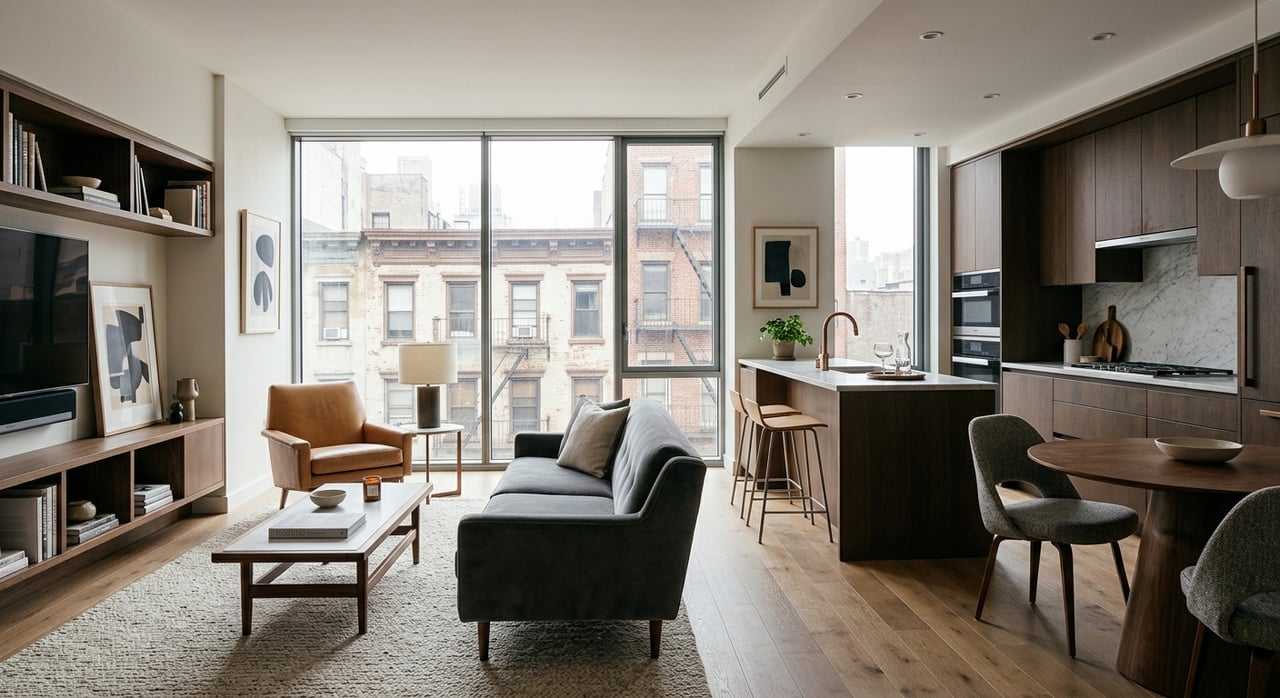
That range is one reason building-specific guidance matters. Two condos with the same neighborhood label can deliver very different day-to-day experiences depending on size, layout, storage, views, and how the building is set up.
Amenities can shape your routine
In Rittenhouse Square, the building itself often plays a major role in how your day flows. Some buildings offer a high-service experience with features that reduce friction and add comfort. At 10 Rittenhouse, published amenities include concierge service, a private entrance onto the square, an indoor saline lap pool, sauna, steam shower, garden courtyard, wine storage lockers, a clubroom, a board room, and an entertaining venue with a catering kitchen.
The Laurel also advertises concierge support, an indoor pool and spa, fitness and cycling studios, a yoga studio, sauna and steam rooms, a terrace overlooking the square, an executive meeting room, a guest suite, and bicycle parking. In practical terms, those features can influence how often you leave the building, how you host guests, and what your workday or weekend routine looks like.
Some newer towers also blend residential living with street-level uses. The Laurel, for example, has Dear Daphni on the ground floor. Mixed-use design like that can add another layer of convenience right at your doorstep.
Why building age matters
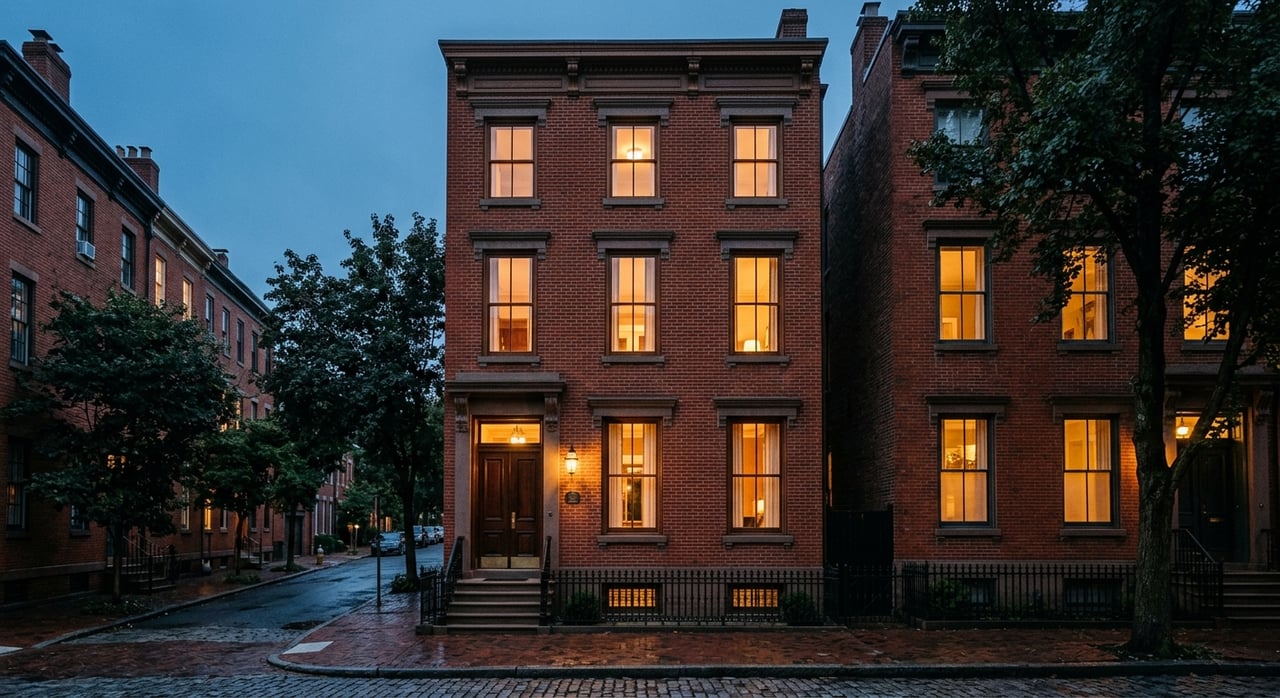
Not every Rittenhouse-area condo building delivers the same experience, even if the address is excellent. Older buildings may have a different layout, style, or amenity package than newer towers. In some cases, renovations can make a major difference.
CBP Architects notes that the Wanamaker House, built in the 1980s just off Rittenhouse Square, originally had lobby, corridor, and amenity spaces that had remained unchanged since construction. A later renovation added a brighter lobby, secure package storage, and new gathering spaces on the 33rd floor. That is a helpful reminder that buyers should look past the neighborhood name and pay attention to how each building has aged, been maintained, and been updated.
This is often where condo buying becomes more nuanced. The right fit may not be the newest building or the most amenity-heavy one. It may be the building that best matches your routine, your priorities, and the level of service you actually plan to use.
Who Rittenhouse condo living suits best
Rittenhouse Square condo living tends to work well for buyers who want convenience, access, and a strong neighborhood rhythm. If you value walkability, nearby dining, park access, arts, transit connections, and lower-maintenance living, this area checks a lot of boxes. It can also appeal to downsizers who want to stay active and connected without the upkeep of a larger property.
At the same time, this is a neighborhood where details matter. Building services, renovation history, floorplan differences, and day-to-day logistics can all shape your experience. That is why it helps to look at condo living here not as one single lifestyle, but as a collection of building-specific options within one very desirable part of Center City.
If you are considering a condo in Rittenhouse Square, the most useful next step is to compare not just listings, but the buildings behind them. A calm, informed review of layout, amenities, and how you actually want to live can go a long way. If you want help sorting through the options, Barbara Sontag Feldman offers clear, building-aware guidance for Philadelphia buyers and sellers.
FAQs
Can you live in Rittenhouse Square without a car?
- Often, yes. The neighborhood is highly walkable and sits close to major rail access, including Suburban Station and 30th Street Station.
Are most Rittenhouse Square condos small?
- No. The area includes a wide range of layouts, from studios to large two-bedroom homes and penthouse-scale residences, depending on the building.
Do Rittenhouse Square condo buildings have concierge service?
- Many well-known buildings do, but service levels and amenity packages vary by building and renovation history.
What can you do in Rittenhouse Square on weekends?
- You can spend time in the park, visit the farmers’ market, shop along Rittenhouse Row, dine nearby, or head to local music, theater, film, and comedy venues.
Why does the building matter so much in Rittenhouse Square?
- In this neighborhood, building age, updates, amenities, and layout can affect daily life almost as much as the location itself.