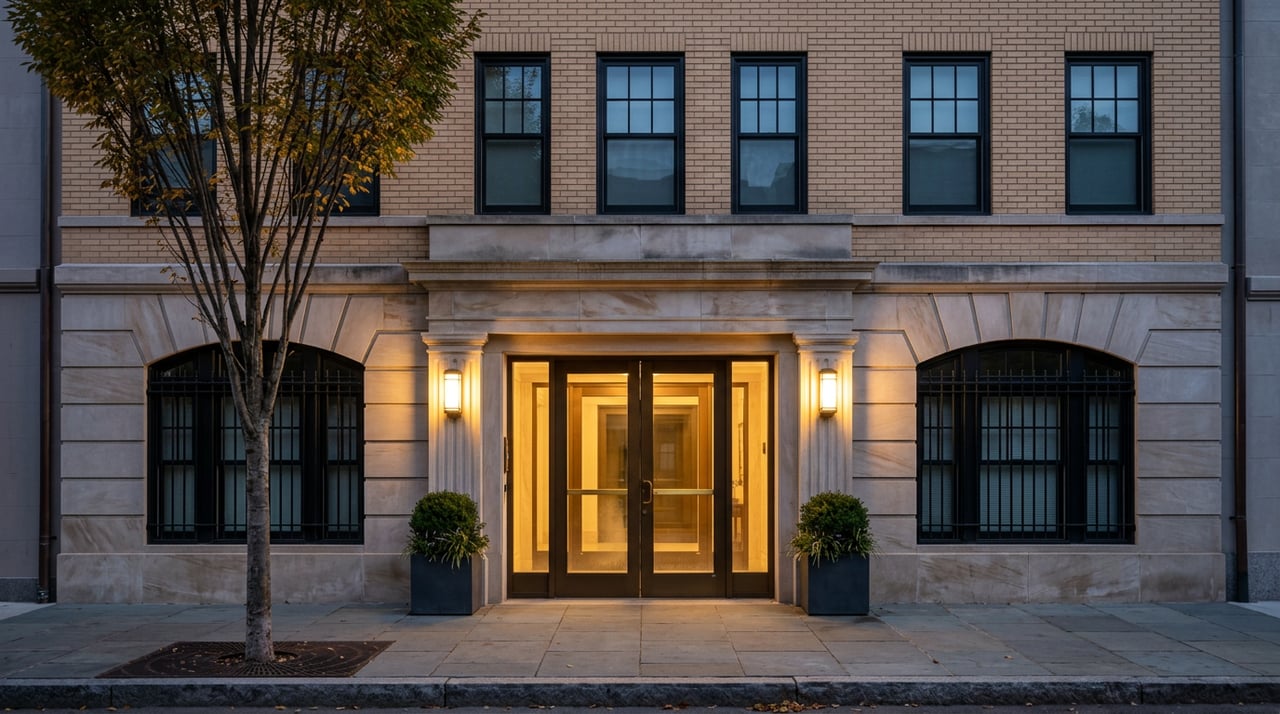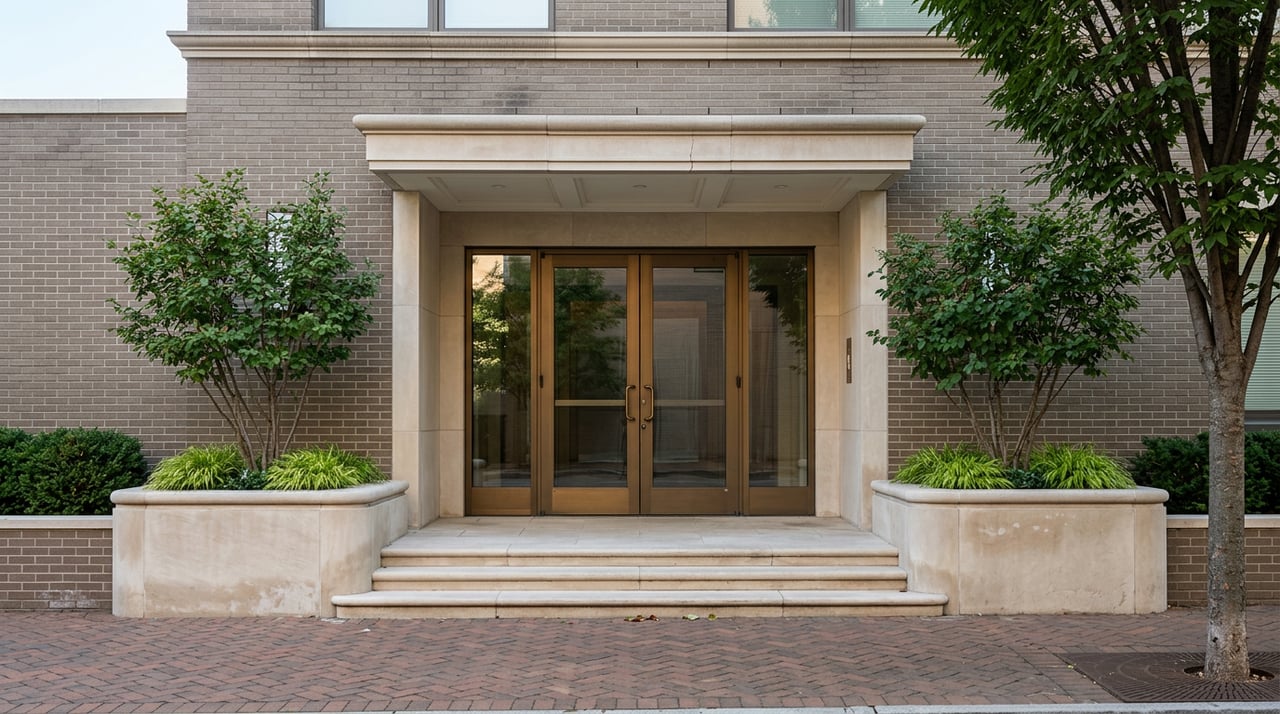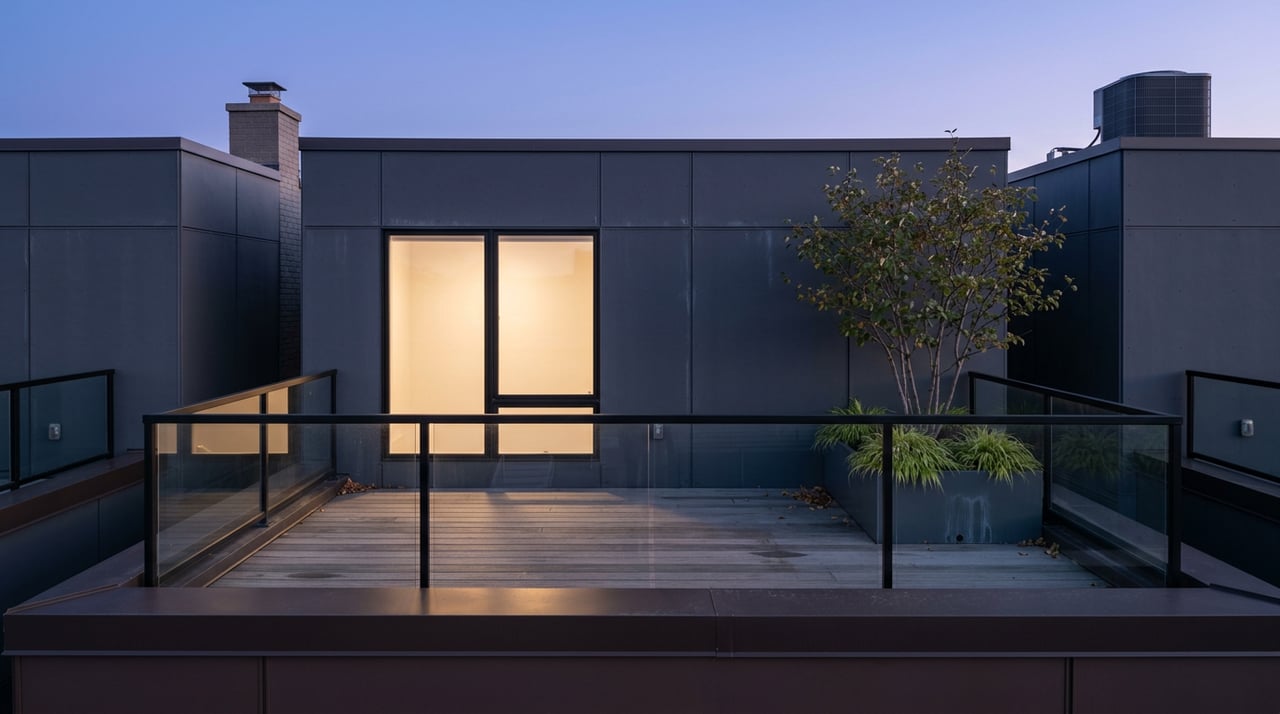
Walk two open houses on the same Fishtown block this fall and you might see the same three words on both listing sheets: ten-year tax abatement. One house is a gut renovation of a hundred-year-old rowhome. The other went up on a formerly vacant lot two years ago. Both say abatement. Both sound like the same benefit. They are not.
The split has nothing to do with the block, the finishes, or how recently either house sold. It comes down to whether the house was newly built or renovated, and when the permit for the work was filed. Get that wrong and you either overpay for a benefit that is already shrinking or walk away from a house whose tax bill is more stable than it looks on paper.
Two clocks, not one program
Philadelphia's abatement has run since 2000 as a way to exempt the value of new construction or qualifying improvements from property taxes for a decade. For most of that history, the deal was simple: 100 percent of the added value, tax-free, for the full ten years, whether you built new or renovated.
That changed for new construction. Under the current version of the program, houses newly built on permits filed after the 2022 cutoff no longer get a flat exemption. Instead, the exemption starts at 100 percent in year one and steps down by ten percentage points every year after that, falling to about 10 percent by year ten before the abatement expires entirely. Renovation and rehabilitation projects were carved out of that change. A rowhome that gets gutted and rebuilt today still qualifies for the old flat 100 percent abatement across the full decade, unchanged.
That is the part most listing sheets skip. "Ten-year tax abatement" tells you almost nothing about which clock you are on.
| New construction (permit filed 2022 or later) | Renovation or rehab (any date) | |
|---|---|---|
| Year 1 exemption | 100% | 100% |
| Year 5 exemption | roughly 60% | 100% |
| Year 10 exemption | roughly 10% | 100% (expires at end of year 10) |
| Tax bill trajectory | rises gradually starting year 2 | flat, then jumps to full assessment after year 10 |
A new-construction home permitted before the 2022 cutoff is grandfathered onto the old flat schedule for its original ten years, so a 2019 or 2020 build can still be sitting on the better deal even though it was built after the program had already been in place for two decades.
What the years remaining are actually worth
None of this shows up as a line item in the sale price, but it should. A property with eight years of full abatement left carries a real, calculable value advantage over a comparable property with one year left, because the buyer of the first house is deferring a much larger, much longer tax bill.
The math behind a Fishtown-style example makes the stakes concrete. A $500,000 newly built home sitting on land assessed at roughly $30,000 pays city and school taxes only on that land value for the length of the abatement, not on the structure. At Philadelphia's current effective tax rate of about 1.3998 percent, that structure exemption alone can be worth $6,000 to $7,000 a year in avoided taxes. Multiply that across several years remaining and the present-value gap between a house with most of its abatement left and one about to expire can run into the tens of thousands of dollars, even when the two houses would otherwise appraise the same.
That gap does not appear automatically in an asking price. It has to be asked about, and priced, deliberately.
The trade you make to get it
The abatement is not a pure bonus stacked on top of everything else. While a property carries the ten-year residential abatement, it is not eligible for Philadelphia's Homestead Exemption, the program that excludes the first $100,000 of a home's assessed value from taxation and can save an owner-occupant more than a thousand dollars a year once it applies. Only after the abatement expires can an owner apply for the Homestead Exemption.
For an investor or a short-term owner, that trade rarely matters. For someone planning to live in a Fishtown rowhome for the next fifteen or twenty years, it is worth running both numbers side by side rather than assuming the abatement is simply free money layered onto normal tax treatment.
Why this quarter's price data seems to contradict itself
Here is where the abatement clock stops being an abstract tax question and starts explaining what buyers are actually seeing in the market right now.
Over the three months ending June 2026, Fishtown's median sale price came in at $444,000, down 3.2 percent from the same period a year earlier, with homes taking an average of 38 days to sell, up from 35 the year before, and 72 homes sold in June against 80 the year prior. Read on its own, that looks like a neighborhood cooling off.
At the same time, the average sale price in June 2026 was $475,000, up 21.8 percent year over year. A median falling while an average climbs sharply is not really a story about the neighborhood changing value. It is a story about the mix of what closed shifting toward a smaller number of higher-priced sales pulling the average up, while the broader base of typical resales pulls the median down. New construction with an intact abatement, particularly a build still early in its schedule, commands a premium that older resale rowhomes without that runway do not carry. When a handful of those close in the same quarter, they can move the average without moving the typical experience for most buyers and sellers.
An earlier snapshot from Zillow, dated April 30, 2026 and already a season out of date by the time the summer figures above were recorded, had shown a steadier 4.0 percent year-over-year gain to $388,997, with homes going to pending in about 13 days. Even accounting for the gap between the two readings, the pattern holds: different methodologies answering different questions about the same streets, with the abatement clock one of the reasons the answers diverge as much as they do this year.
Where you will actually run into this
This is not a hypothetical for Fishtown shoppers. New construction communities like Riverside 8 have become common comparison points against older rehabbed stock nearby, and condo buildings such as Penn Treaty Residences, close to the Delaware riverfront and the neighborhood's Rose Garden, sit within a few blocks of both classic rowhomes and recent infill. Walk Frankford Avenue past the La Colombe flagship on any given weekend and you can find a fully rehabbed 1900s rowhome, a five-year-old build, and a house just completed this year, all within a few doors of each other, all potentially carrying different abatement math.
City Council has continued to revisit abatement policy into 2026, including discussion of a separate, narrower program aimed at converting underused commercial properties, a sign that this is an evolving area of city policy rather than a settled rule from 2000 that nobody has touched since.
Before you write an offer
A few minutes of verification protects the math on either side of the transaction.
- Ask for the building permit issue date, not just the completion date. The abatement clock in the current reformed system runs from the permit, and that date determines whether a new-construction home is grandfathered onto the old flat schedule or riding the declining one.
- Confirm whether the work was classified as new construction or as a renovation or improvement. That classification, not just the calendar year, decides which schedule applies.
- Check the city's own property records at atlas.phila.gov for the abatement type and expiration year rather than relying solely on what a listing states. The remaining term transfers to a new owner exactly as it stands. It does not reset at closing.
- If the abatement is expiring soon, ask what the post-abatement tax bill will actually be on the full assessed value, and whether the Homestead Exemption becomes available at that point.
A few questions buyers ask
Does a renovated rowhome get a worse abatement than new construction? No. Renovation and rehabilitation projects were left on the original full 100 percent, ten-year schedule. New construction is the category that shifted to the declining schedule for permits filed from 2022 forward.
If I buy a resale home with years left on its abatement, do I get the same deal the original owner had? Yes. The remaining term and structure transfer with the property. Whatever schedule and years are left continue exactly as they were, regardless of who owns the house.
What happens the year the abatement runs out? The property becomes fully taxable on its complete assessed value, land and structure together, at the city's current millage rate. That is also the point at which the owner can apply for the Homestead Exemption if they occupy the home.
More about the specifics of any one address, from permit history to what a seller's disclosure actually says about remaining abatement years, is exactly the kind of detail worth working through before an offer goes in rather than after. Barbara Sontag Feldman works Fishtown and the surrounding Philadelphia neighborhoods with that level of detail as the starting point, not an afterthought. Let's Connect when you are ready to look at what a specific Fishtown address is really carrying.