Thinking about selling your Fishtown rowhouse? In a neighborhood where block-by-block value, older-home quirks, and newer competition all shape buyer decisions, a strong sale usually starts long before your home hits the market. If you want to price smart, avoid preventable delays, and present your home in a way that matches what today’s buyers actually want, a little preparation can make a big difference. Let’s dive in.
Fishtown Still Draws Buyers
Fishtown remains one of Philadelphia’s higher-priced neighborhood markets, even as the pace has become more measured than the peak frenzy years. Recent market snapshots show median sale and listing prices well above the citywide median, with homes generally selling close to asking price.
That is good news if you are selling, but it does not mean you can price loosely. The consistent theme across market data is that demand is still healthy, yet buyers are paying close attention to value, condition, and how a home compares with nearby options.
Micro-Location Matters More Than You Think
Not every home with a Fishtown mailing address competes in the same way. Nearby areas like East Kensington, Olde Kensington, River Wards, and Northern Liberties show very different price levels, even when they are only a short distance apart.
For you, that means the best pricing strategy is usually built from the narrowest realistic set of comparable sales. A rowhouse on one block may not line up well with a home a few streets away if the layout, condition, width, outdoor space, or parking is meaningfully different.
Why broad averages can mislead
Neighborhood-wide averages can be helpful for context, but they are rarely enough to price an individual rowhouse well. Buyers compare your home to the most similar alternatives they can actually choose from, not to a broad headline number.
That is especially true in Fishtown, where housing stock can shift quickly from classic older rowhomes to newer, more turnkey properties. A precise comp set can help you avoid overpricing and losing momentum in the first few weeks.
Your Rowhouse Is Its Own Product Type
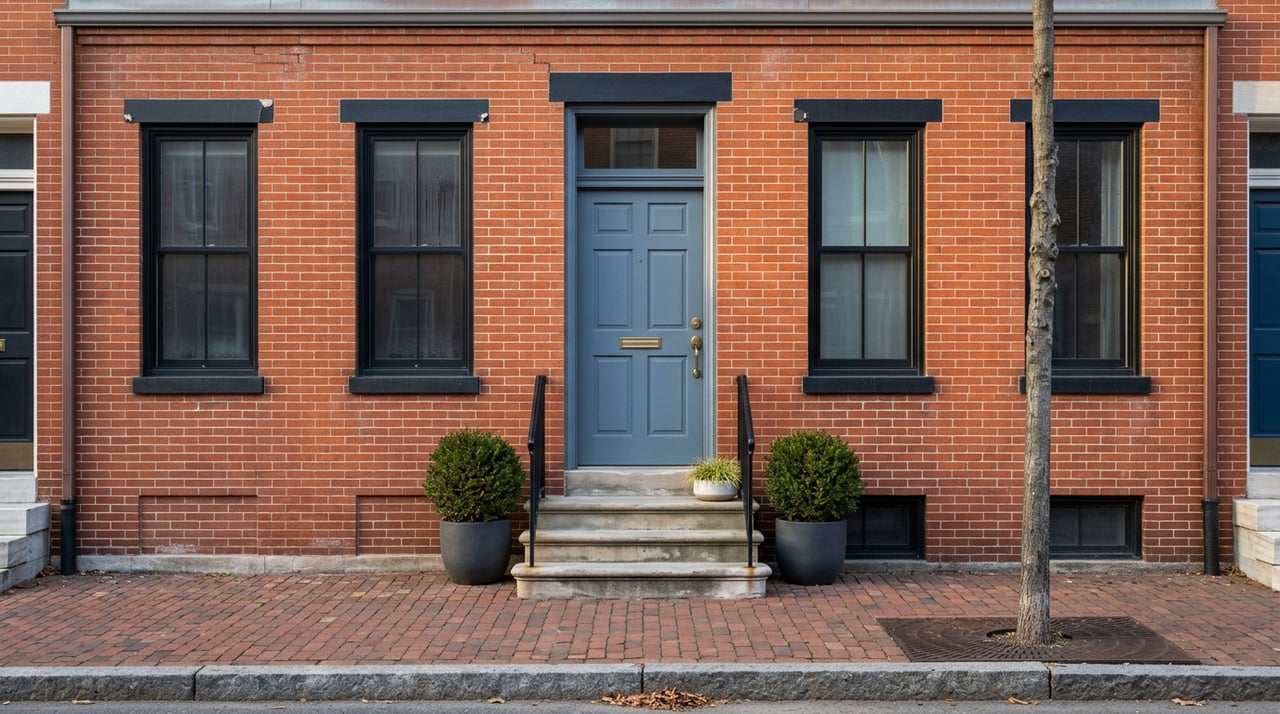
Philadelphia is a rowhouse city, and many of these homes have been adapted over time to fit modern living. When buyers walk into a Fishtown rowhouse, they are not just judging square footage. They are also judging how well the home balances character, function, and upkeep.
That matters because buyers often come in with clear expectations. They want the charm of an urban rowhouse, but they also want practical everyday livability.
Buyers reward usable upgrades
Philadelphia home trend data suggests buyers respond well to visible, practical improvements. Features such as a new roof, landscaping, energy efficiency, updated bath count, island seating, and eat-in space can all support value.
In a rowhouse, the key is usually function over flash. Thoughtful updates that make daily life easier often land better than highly customized finishes that may not fit the next buyer’s taste.
Flexible space can help your marketing
Work-from-home space still matters, and rowhouses often offer more flexibility than owners realize. A spare bedroom, alcove, den, or finished basement can often be presented as office space if it feels functional, private enough, and well set up.
You do not necessarily need a major renovation to tell that story. In many cases, clear staging and a practical layout are enough to help buyers picture how the space could work for them.
Outdoor Space Can Add Appeal
In rowhouse neighborhoods, outdoor space often carries extra weight. A front porch, small patio, yard area, or roof deck can help your home stand out because private outdoor space is limited and highly visible in buyer comparisons.
Philadelphia’s rowhouse guidance notes that a restored front porch can be a valuable outdoor living area. It also points out that roof decks are a strong amenity, though they require proper zoning and building permits and should only be added when the roof is in very good condition.
Do not overlook simple exterior touches
Landscaping can matter more than you might think. Even modest improvements outside can shape first impressions and support the sense that the home has been well cared for.
That does not mean you need an elaborate project before listing. Often, tidy outdoor areas, healthy plantings, and a clean entrance create the right kind of impact.
Condition Issues Buyers Notice Fast
Older rowhouses come with strengths, but they also come with recurring buyer questions. Roof condition, insulation, moisture control, and the overall feel of the home’s systems can influence confidence, even if those details are less glamorous than a kitchen update.
Philadelphia’s rowhouse manual notes that older rowhouses were often built with minimal insulation, while shared party walls reduce exterior exposure. For buyers, that can make the condition of the roof, walls, and lower-level moisture control especially important.
What to review before listing
Before you go live, it helps to take a close look at:
- Roof age and any known repair history
- Basement or lower-level moisture issues
- Heating and cooling performance
- Electrical and plumbing concerns
- Past remodeling work or additions
- Exterior maintenance that affects buyer confidence
If you know there is an issue, it is usually better to address it early or prepare a clear explanation and documentation. Surprises late in the transaction tend to create more stress and more negotiation.
New Construction Is Real Competition
One of the biggest mistakes a seller can make in Fishtown is comparing an older rowhouse only to other resale homes while ignoring new construction. Newer homes in the area often market features like roof decks, private outdoor space, garages, gourmet kitchens, and skyline or river views.
They may also benefit from Philadelphia’s 10-year residential tax abatement for new construction. That can make a newer property look more attractive from a monthly carrying-cost perspective than an older home that is fully taxed.
How to compete without over-improving
You do not need to turn your rowhouse into a brand-new product to compete. You do need to understand what buyers are seeing side by side.
A well-updated rowhouse can still stand out when it offers:
- Preserved character
- Good natural light
- Functional layout
- Usable outdoor space
- Solid major systems
- A polished, move-in-ready feel
The goal is to position your home against its true product type. That means recognizing where charm creates value and where condition, finish level, or tax treatment may create buyer objections.
Start Pre-Listing Paperwork Early
A smooth sale is not only about presentation. It is also about getting ahead of the paperwork and city requirements that can slow a transaction down.
Pennsylvania’s Seller Property Disclosure Law requires sellers to disclose known material defects before signing an agreement of transfer. The disclosure form covers many items that matter in a rowhouse sale, including the roof, basement or crawl space, structural issues, remodeling, plumbing, HVAC, electrical systems, drainage, and title matters.
Philadelphia requires a Property Sales Certification
If you are selling real estate in Philadelphia, you also need a Property Sales Certification. According to the city, it includes the property’s zoning classification, last established use, and any uncorrected housing, building, safety, or fire violations.
The city says the certification costs $139 and typically takes about five business days to process. Starting early can help reduce last-minute problems and surface open issues before they disrupt your timeline.
Know your likely closing costs
Your net proceeds matter just as much as your sale price. Philadelphia’s realty transfer tax rate is 4.578% for transfers after July 1, 2025, so that cost should be part of your planning from the start.
When sellers focus only on the top-line price, they can miss important details that affect the final outcome. Clear planning helps you make better decisions about pricing, repairs, and timing.
Be Careful With Last-Minute Projects
If you are tempted to squeeze in a big improvement right before listing, pause first. In Philadelphia, permit rules can affect timing and complexity, especially for projects like decks, roof decks, and additions.
The city notes that some exterior window and door replacements in one- or two-family homes may not need a permit unless the property is historic. But more ambitious exterior work can trigger zoning or building review, and roof decks in particular require careful planning and proper approvals.
Usually, simpler is better
The lowest-stress path is often to focus on cosmetic refreshes, maintenance, and repairs that reduce inspection concerns or disclosure issues. That may include paint, lighting, touch-ups, small exterior improvements, and repairs to known trouble spots.
Trying to complete a major project right before listing can create delays, documentation gaps, or new questions from buyers. In many cases, a clean, well-maintained home will perform better than a half-finished upgrade.
A Smart Fishtown Selling Strategy
If you want to sell your Fishtown rowhouse with less stress and better positioning, the basics matter. Price it against the right micro-market, present the home around how people live now, highlight outdoor and flexible space, and get your documents in order early.
Just as important, be realistic about the competition. Today’s buyers may love classic Philadelphia rowhouse character, but they are also comparing condition, usability, and monthly cost very carefully.
With a thoughtful plan, you can meet that market with confidence instead of guesswork. And if you want calm, local guidance through the details, Barbara Sontag Feldman can help you prepare, position, and navigate your sale with clarity.
FAQs
What should you fix before selling a Fishtown rowhouse?
- Focus first on known issues that could affect disclosure, inspection, or buyer confidence, especially roof concerns, moisture issues, HVAC, plumbing, electrical items, and visible maintenance problems.
How should you price a rowhouse in Fishtown, Philadelphia?
- The strongest approach is usually to use recent comparable sales from the closest realistic micro-market, with close attention to condition, layout, width, outdoor space, and parking rather than broad neighborhood averages.
Do you need a Property Sales Certification to sell a home in Philadelphia?
- Yes. Philadelphia requires a Property Sales Certification, which includes zoning and any uncorrected housing, building, safety, or fire violations.
Are roof decks a selling feature for Fishtown rowhouses?
- Yes, roof decks can be a strong amenity, but they require proper zoning and building permits and should only be added when the roof is in very good condition.
What do buyers want in a Philadelphia rowhouse?
- Buyers often respond to practical upgrades such as a new roof, energy efficiency, landscaping, updated bathrooms, functional kitchen features, usable outdoor space, and flexible areas that can work as home offices.