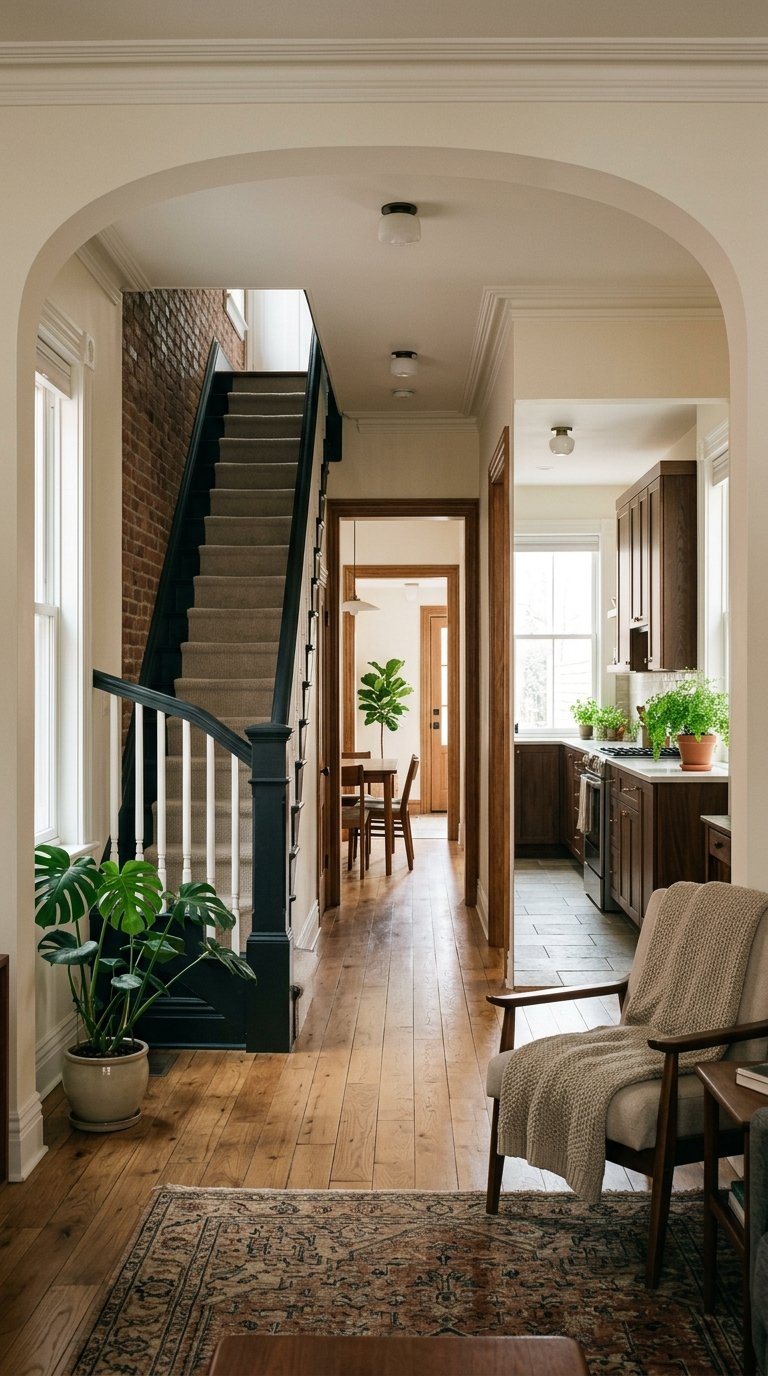
Buying your first home in Fishtown can feel exciting and a little overwhelming at the same time. You may be trying to balance budget, layout, condition, and timing while also figuring out how Philadelphia’s buying costs really work. The good news is that with the right local guidance, you can make smart decisions with far less stress. Let’s dive in.
Why Fishtown Feels Different
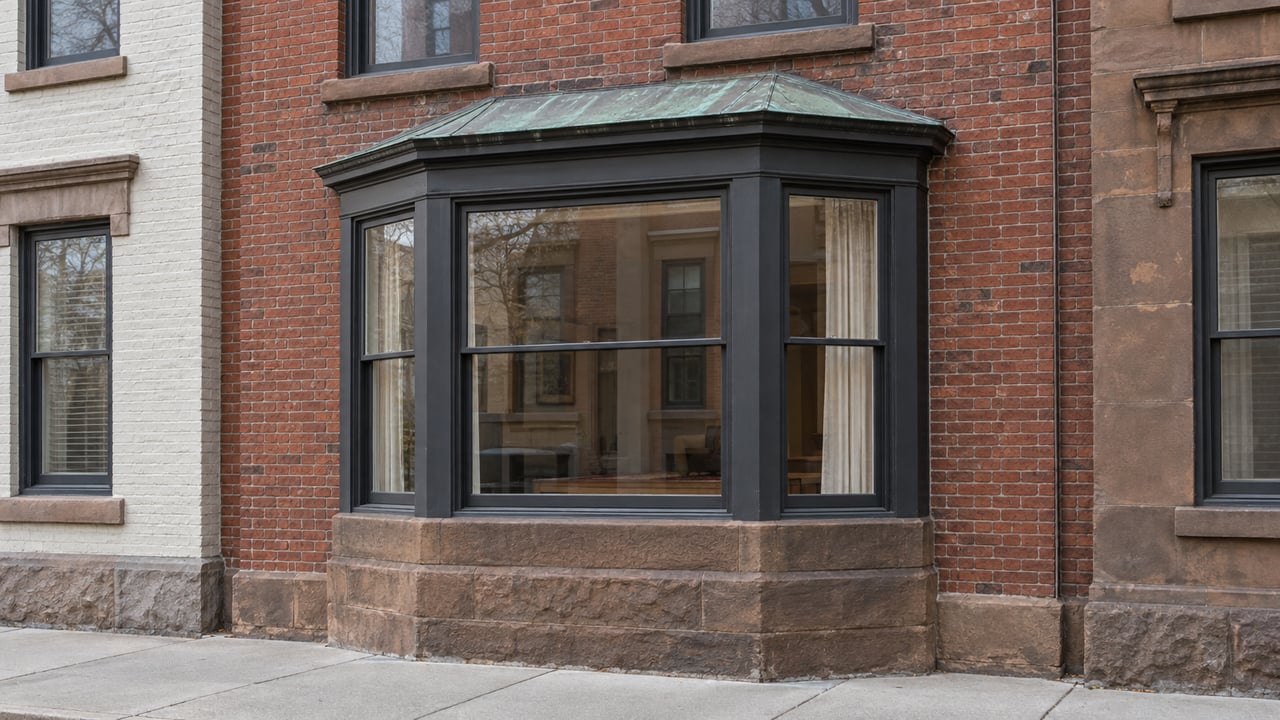
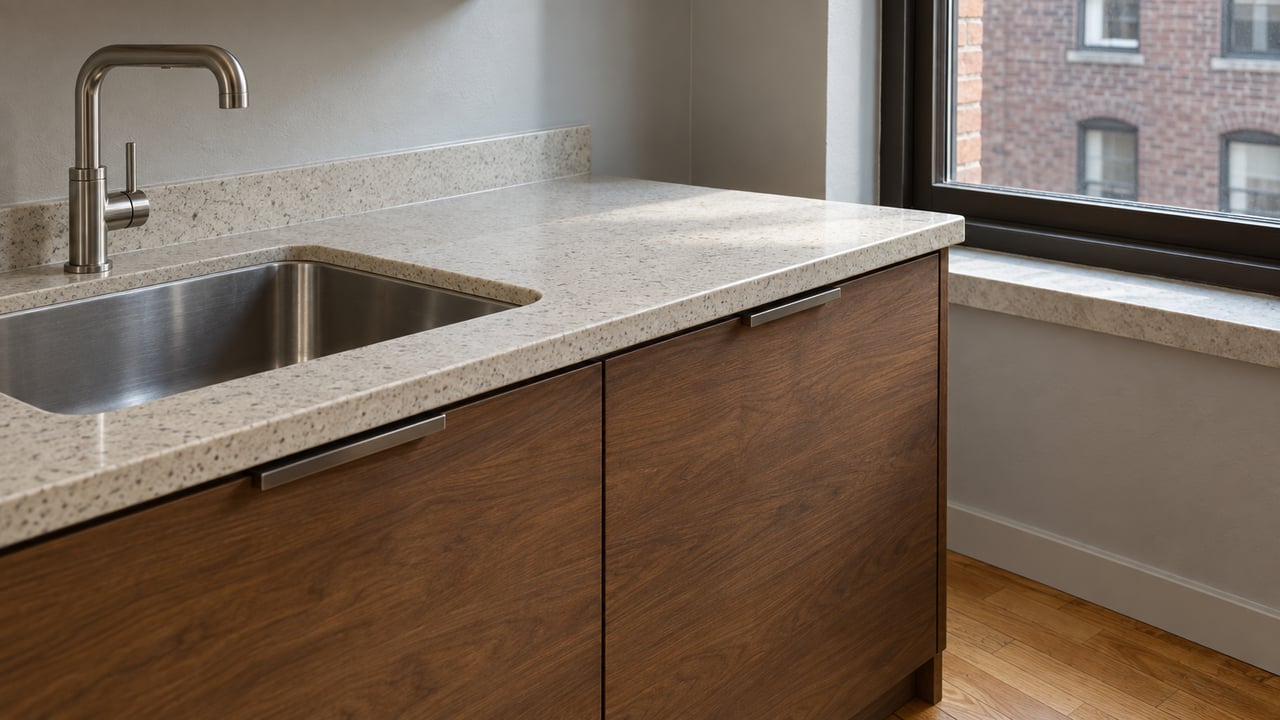
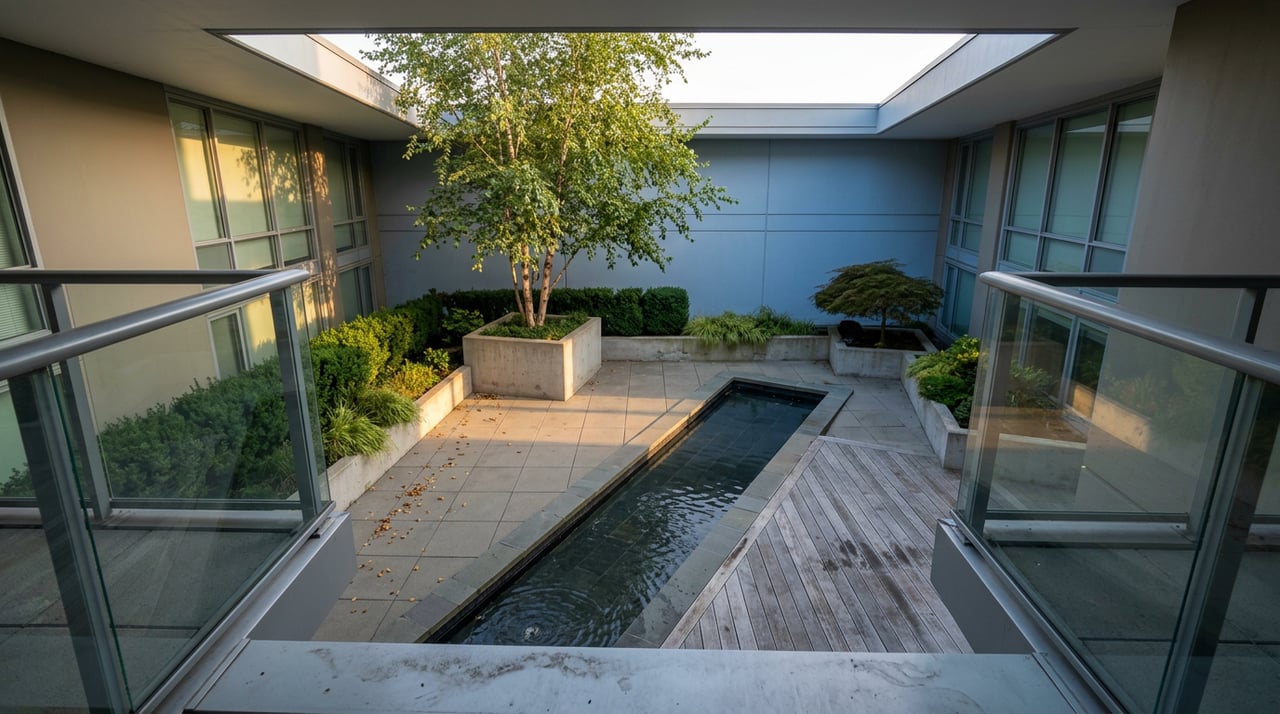
Fishtown does not follow a typical suburban housing pattern. In this part of Philadelphia, you are more likely to see a mix of older rowhouses, former-mill loft conversions, and newer infill construction on vacant lots.
That mix gives first-time buyers more options, but it also means no two homes feel exactly the same. A newer home may offer a very different layout and maintenance profile than an older attached rowhouse just a few blocks away.
For many buyers, understanding the housing style is just as important as understanding the price. In Fishtown, the way a home lives day to day can matter as much as the square footage on paper.
Rowhouse Layout Matters
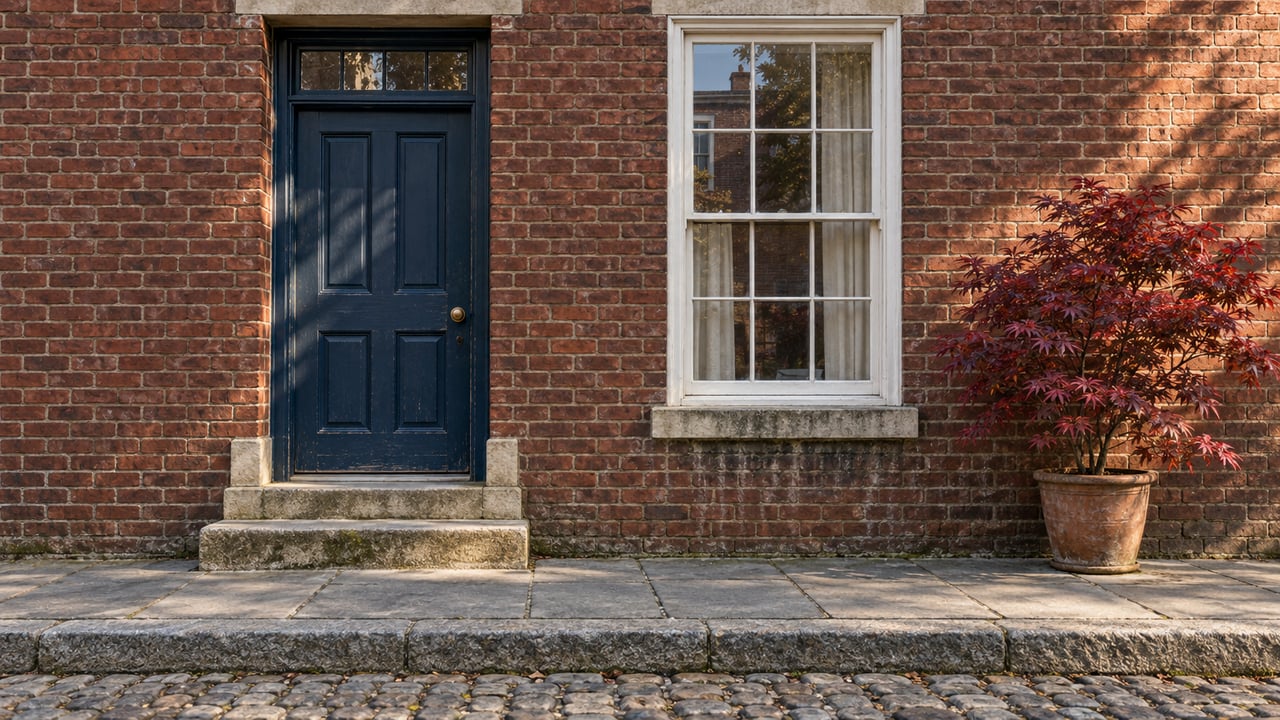
Philadelphia’s rowhouses are a major part of the city’s housing stock, and Fishtown is no exception. These homes often have narrow street frontage and attached walls, which can create a very efficient footprint but also some tradeoffs.
Older rowhouses may have smaller rooms, tight closets, basements, and less natural light in the center of the home. Some also have narrow or winding stairs that can affect both daily comfort and furniture moving.
That is why first-time buyers should look beyond the listing description. A home may sound great online, but the real question is whether the layout works for your life.
Questions to Ask Yourself
- Does the living space feel functional for how you actually live?
- Will your furniture fit through the entry, hall, and stairs?
- Are the bedrooms large enough for your needs?
- Is there enough closet and storage space?
- Do the darker middle rooms feel comfortable to you?
Budget Beyond the Down Payment
One of the biggest first-time buyer surprises is how much cash you may need beyond your down payment. Closing costs typically run about 2% to 5% of the home price, and that is before you think through Philadelphia-specific taxes and recording charges.
In Philadelphia, the Realty Transfer Tax is currently 3.578% for the City plus 1% for the Commonwealth, for a total of 4.578% when both apply. The tax is based on the sale price or assessed value of the property plus any assumed debt.
The Philadelphia Department of Records also lists current recording fees of $278.75 for a deed and $248.75 for a mortgage. These are real closing expenses, so it helps to build a budget that goes well beyond the purchase price.
First-Time Buyer Budget Checklist
- Down payment
- Estimated closing costs
- Transfer tax expectations
- Deed recording fee
- Mortgage recording fee
- Inspection costs
- Moving expenses
- Early repair or maintenance funds
Philadelphia Assistance Programs to Know
If you are buying your first home in Fishtown, local and state programs may help reduce your upfront cash needs. These options can be especially useful if you are financially ready for monthly ownership costs but still building savings for closing.
Philadelphia’s Philly First Home program offers up to $10,000 or 6% of the purchase price, whichever is less, for down payment and or closing costs while funding is available. To qualify, you must be a first-time homebuyer or not have owned a home for at least three years, complete a City-funded homeownership counseling program before signing the agreement of sale, and buy a single-family home or duplex.
One important detail is that condominiums are not eligible for Philly First Home. The program also requires repayment if you move or refinance before living in the home for 15 years.
PHFA also offers free homebuyer counseling and loan assistance through participating lenders. Its counseling can help with budgeting, choosing a real estate agent, and home inspection decisions, and the Keystone Advantage Assistance Loan can provide up to 4% of the purchase price or $6,000, whichever is less, for down payment and closing costs.
What to Watch at Showings
In Fishtown, a showing is not just about finishes and staging. It is your chance to understand how an older Philadelphia home functions and what future maintenance may look like.
The City’s Rowhouse Manual notes that many rowhouse maintenance problems start on the outside, and water is the biggest enemy. That makes exterior condition and moisture clues especially important when you tour homes.
Look Closely at These Areas
- Roof condition
- Brick and mortar wear
- Gutters and downspouts
- Drainage around the home
- Porch steps
- Basement dampness or moisture signs
- Stair width and ease of use
- Bedroom size and closet space
- Natural light in center rooms
A home can look polished in listing photos and still raise practical concerns in person. If you are buying your first place, it helps to think like both a homeowner and a future maintainer.
Inspection vs. Appraisal
Many first-time buyers assume the lender’s appraisal and a home inspection are basically the same thing. They are not.
An appraisal helps the lender evaluate the property’s value. A home inspection is a separate step focused on the physical condition of the property.
Once you have selected a home, it is smart to schedule an independent home inspection as soon as possible. That gives you more time to understand any issues, ask follow-up questions, or order additional inspections if needed.
Closing in Philadelphia
After your offer is accepted and you choose a lender, the process moves into a detail-heavy phase. You will usually gather loan documents, schedule final inspections, shop for homeowner’s and title insurance, and review your Closing Disclosure.
Your lender must provide the Closing Disclosure at least three business days before closing. That review period is important because it gives you time to confirm costs and ask questions before signing.
In Philadelphia, the deed is recorded with the Department of Records. The Realty Transfer Tax becomes payable when the deed is filed, which is one more reason your closing budget should account for more than just your loan and down payment.
Don’t Miss the Homestead Exemption
After closing, there is one more local detail worth checking if the home will be your primary residence. Philadelphia homeowners who live in their home can apply for the Homestead Exemption.
This exemption reduces the taxable assessed value by $100,000. According to the City, most homeowners save about $1,399 a year starting in 2025.
Philadelphia’s current real estate tax rate is 1.3998%, and the bill is due March 31 each year. Homestead applications are due by December 1, with an October 1 early-filer deadline for appearing on the following year’s bill.
A Smart First Step in Fishtown
Buying your first Fishtown home is about more than finding a place you like. It is about choosing a home that fits your budget, your daily routine, and the realities of Philadelphia housing.
That is where calm, local, education-first guidance can make a real difference. When you understand layouts, closing costs, inspections, and city-specific programs upfront, you can move forward with more confidence and fewer surprises.
If you are thinking about buying in Fishtown and want practical guidance tailored to Philadelphia’s housing market, connect with Barbara Sontag Feldman for a clear, informed next step.
FAQs
What types of homes should a first-time buyer expect in Fishtown?
- In Fishtown, you should expect a mix of older rowhouses, former-mill loft conversions, and newer infill construction rather than a suburban-style housing pattern.
How much cash should a first-time buyer in Philadelphia set aside beyond the down payment?
- Closing costs typically run about 2% to 5% of the home price, and Philadelphia buyers should also plan for local transfer tax and recording fees.
Are condos eligible for Philly First Home assistance in Philadelphia?
- No. Philly First Home is limited to single-family homes and duplexes.
When should a first-time buyer schedule a home inspection in Fishtown?
- You should schedule an independent home inspection as soon as possible after selecting the home so there is time to review issues or order additional inspections.
What maintenance issues are common in older Fishtown rowhouses?
- Common concerns include water management, brick and mortar deterioration, drainage problems, basement dampness, narrow stairs, limited daylight in center rooms, and tight storage space.
What is the Philadelphia Homestead Exemption for owner-occupants?
- If the home is your primary residence, the Homestead Exemption can reduce the taxable assessed value by $100,000, which the City says saves most homeowners about $1,399 a year starting in 2025.